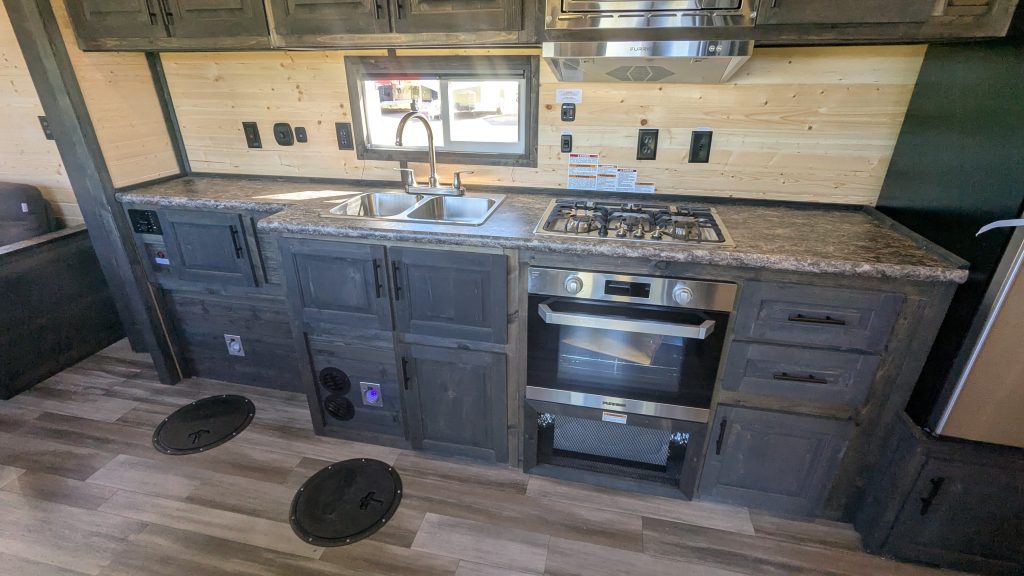
When you’re investing in a quality fish house for the ice-fishing, one of the biggest structural decisions comes down to the material of the frame and body—specifically, steel or aluminum. At Glacial Lakes Recreation, we carry top brands in fish houses like Ambush, Yetti and Ice Castle, so we are the experts on how different materials perform under real-world Minnesota conditions. Here’s a breakdown of how steel and aluminum compare, and why choosing an aluminum fish house is often the smarter long‐term decision.
Material Basics: Steel vs. Aluminum
Steel:
•Steel is well-known for its strength and durability in many applications. It tends to bend rather than crack, and many builders like it for structural frames.
•However, steel is heavier (which means more weight to haul or push across ice), and it is susceptible to rust/corrosion/oxidation unless properly treated and maintained.
•Repairing steel frames may require welding or rust treatment; over time, rust can spread and compromise integrity.
Aluminum:
•Aluminum is lighter than steel, which offers some advantages in hauling, moving, and general ease of transport.
•Aluminum does not rust in the way steel does (i.e., no iron oxide flaking), which means less long‐term maintenance from a corrosion standpoint.
•Because it’s lighter and corrosion-resistant, aluminum allows for more flexibility in design (larger windows, lighter frames) without as much penalty in weight, as long as it’s engineered well.
Key Factors for Ice Fishing Fish Houses
When you’re comparing steel vs aluminum fish houses for the outdoors, especially in harsh winter/ice conditions, you should evaluate the following factors:
1.Weight and Mobility
On ice, and when moving between lakes, the lighter the house (everything else being equal), the easier the transport and the lower the stress on towing/trailer systems. Aluminum’s lighter weight gives a meaningful advantage here.
2.Corrosion Resistance & Longevity
Ice houses sit in extreme conditions: freezing temperatures, moisture from melting snow/ice, repeated freeze/thaw cycles, salt or de-icing treatments in some regions, etc. Steel, unless highly protected, can suffer from rust/corrosion. Aluminum resists these issues inherently Long‐term durability is a strong plus for aluminum.
3.Structural Strength & Flexibility
While steel is often considered “stronger,” strength alone isn’t everything. For fish houses, you need a structure that resists twisting/shifting on ice, supports bunking, shelving, heaters, etc. Aluminum can be more prone to cracking under heavy flex if not designed well. What that means is: if you go aluminum, you want a trusted manufacturer who designs the frame properly (adequate tubing, correct joinery, etc.).
4.Maintenance
With steel, you’re looking at potential painting, surface rust treatment, possibly more frequent structural inspections. With aluminum, the maintenance is generally lower. That can mean fewer hours spent maintaining and fewer surprises.
5.Transport & Hauling Efficiency
A lighter aluminum house puts less stress on trailers, axles, tires, and towing systems. This means lower operating cost and lower risk of overloading. It’s a tangible benefit especially if you’re pulling between lakes, loading/unloading frequently, or using a small tow vehicle.
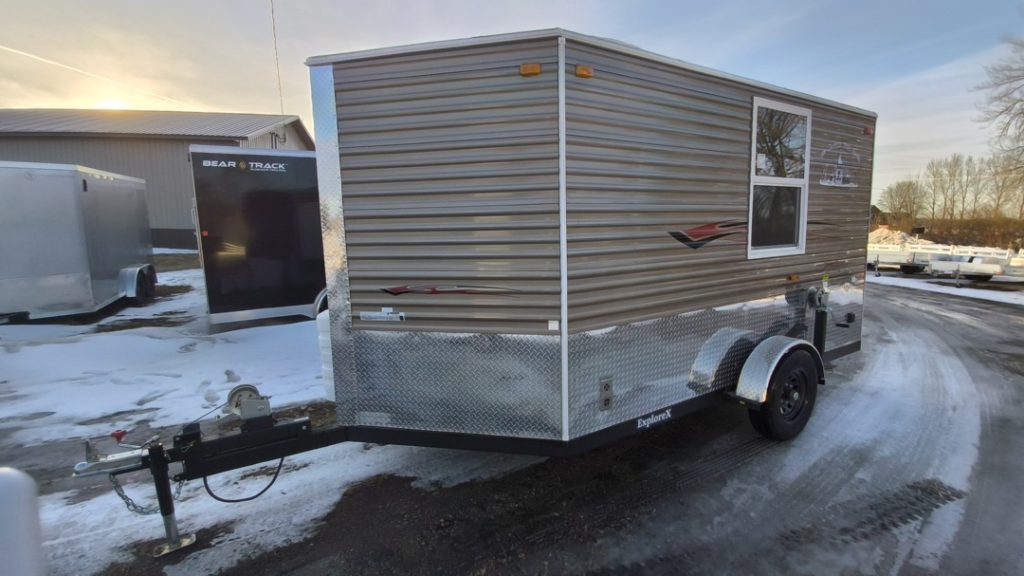
What We Recommend at Glacial Lakes Recreation
Given the key factors above, here’s what our team at Glacial Lakes Recreation recommends for different buyers:
- Better corrosion resistance
In Minnesota’s lake environment, with repeated freeze/thaw and moisture exposure, allowing rust to take hold can turn a seemingly solid steel frame into a maintenance headache. Aluminum avoids that corrosion route almost entirely. You’ll spend less time worrying about frame rust and more time fishing. Plus, with all the salt that is spread on the roads, you will naturally have less to worry about with an aluminum framed fish house.
- Lower weight, easier handling
Because every pound counts when you’re hauling across ice or loading onto trailers, aluminum gives you an operational edge. You’ll experience easier pulls, less strain on tires and trailer components, and possibly reduced fuel/towing cost.
- Long-term value
Less maintenance = more lasting value. Owners of aluminum‐frame fish houses report keeping their units longer with fewer structural issues. For those who plan to use the house for many winters (or pass it along to family/friends), aluminum is a “pay once less” material.
- Modern design compatibility
Many of the premium fish house manufacturers (including the brands we carry) now build in aluminum because they recognize the performance benefits. That keeps you in sync with the best market offerings.
If you are interested in longevity and less weight – go with aluminum.
Common Concerns & How to Address Them
Even though aluminum is strongly recommended, it’s important to understand typical concerns and how to mitigate them.
Concern: “Aluminum is weaker / less durable than steel.”
Resolution: It’s true that aluminum has a lower elastic modulus and can flex more than steel. However, when engineered properly (right tube sizes, bracing, joinery), aluminum performs very well in fish houses. What this means for you: Choose a manufacturer with proven aluminum‐frame fish houses, ask about frame specs (tube size, wall thickness, bracing), and inspect for build quality. A well‐built aluminum unit will out‐perform a lesser steel unit.
Concern: “Steel is cheaper, so aluminum costs more up front.”
Resolution: Absolutely, aluminum often carries a higher upfront cost. But you should view this as a total cost of ownership equation: cost of purchase + maintenance + longevity + resale. Over 5-10 years of use, aluminum often comes out ahead because of lower maintenance and longer life. If you’re buying a house to keep for many seasons, the extra upfront cost pays off.
Concern: “Will aluminum crack in extremely cold/frozen conditions?”
Resolution: Aluminum does behave differently in cold than steel, but modern alloys used in fish houses are designed for sub-zero environments. Again, build quality matters. Also, ensure proper anchor and leveling systems are used so the frame isn’t subject to excessive flex or stress. With the fish house manufacturers we partner with at Glacial Lakes Recreation, these considerations are built into the unit design.
Choosing Your Fish House at Glacial Lakes Recreation
At Glacial Lakes Recreation, we carry fish houses from leading manufacturers (like Ambush, Ice Castle, and Yetti. In our experience:
•A house with an aluminum frame typically provides smoother towing, fewer corrosion issues, and fewer surprises after 2-3 seasons.
• If you are looking to save some money up front, a fish house might be the option you choose.
• For buyers who aren’t transporting their fish houses long distances and weight isn’t a concern, a steel framed fish house can be the best fit.
•For buyers who plan to fish often, move their house between lakes, or use it as a semi‐permanent shelter, aluminum gives them flexibility and less downtime.
If you’re browsing our inventory today, we’ll walk you through to comparing aluminum vs steel framed models, showing you the actual framework, trailer weights, expected maintenance, and resale implications.
Checklist: If You’re Considering A Steel Fish House, Ask These Questions
•Is the steel frame galvanized, painted, or coated to protect against corrosion?
•What is the expected maintenance schedule (painting/rust treatment) for the steel frame?
•What is the tare weight of the house (empty) and how does that impact tow/trailer requirements?
•What is the warranty on the frame? Is rust or structural degradation covered?
•What is the history of similar units in your region (Minnesota/North for example) with this manufacturer—is rust a known problem?
•What is the expected collapse or flex tolerance of the frame (especially if towing on uneven ice or rough road to lake)?If you decide to go aluminum, make sure you ask for the corresponding questions: what alloy, what tube sizes, what structural bracing, what is the overall weight difference, what is the finish/coating (to avoid oxidation spots), and what has been the performance of that manufacturer’s aluminum houses.